Introduction
Below is a structured, original, and professionally written article on Design & Development with clear formatting, meaningful explanations, integrated visuals, and a dedicated FAQ section. The article content itself contains no symbols or emojis, as requested.
Design and development form the backbone of every successful digital product. Whether creating websites, applications, platforms, or software systems, combining thoughtful design with robust development ensures usability, performance, and long term scalability.
Understanding the Role of Design in Digital Project
Design defines how users interact with a product. It focuses on usability, clarity, accessibility, and visual communication. Good design improves engagement, reduces confusion, and enhances satisfaction.
Key responsibilities of design include
- Creating intuitive navigation structures
- Defining layout and interaction flow
- Establishing typography and color systems
- Ensuring accessibility compliance
- Supporting brand identity consistency
Design typically includes two primary layers
User Experience Design
User experience design focuses on how users move through a product. It answers questions such as
- Where should users click first
- How quickly can they find information
- Whether the workflow feels natural
A strong experience reduces friction and increases task completion rates.
User Interface Design
User interface design focuses on visual structure. It includes
- Button placement
- Layout alignment
- Color hierarchy
- Typography selection
- Component consistency
A refined interface improves clarity and builds trust with users.
Understanding the Role of Development in Digital Projects
Development transforms ideas into working systems. It involves coding, integration, testing, optimization, and deployment.
Development ensures that designs become functional and reliable digital experiences.
Major development responsibilities include
- Translating design into functional interfaces
- Building application logic
- Managing databases and APIs
- Ensuring performance optimization
- Maintaining security standards
Development is commonly divided into three areas
Frontend Development
Frontend development handles everything visible to users. It includes
- Layout rendering
- Navigation interaction
- Animation behavior
- Responsive structure
Technologies often used include HTML, CSS, and JavaScript frameworks.
Backend Development
Backend development manages system logic and data processing. It includes
- Server communication
- Authentication systems
- Database management
- Application workflows
Backend systems ensure that applications function efficiently behind the scenes.
Full Stack Development
Full stack developers work across both frontend and backend layers. They help streamline communication between design and engineering teams.
The Design and Development Lifecycle
Successful digital products follow structured lifecycle phases that improve clarity and reduce project risk.
Research and Requirement Analysis
This phase identifies
- target audience
- user problems
- technical constraints
- business goals
Clear research prevents misalignment later in development.
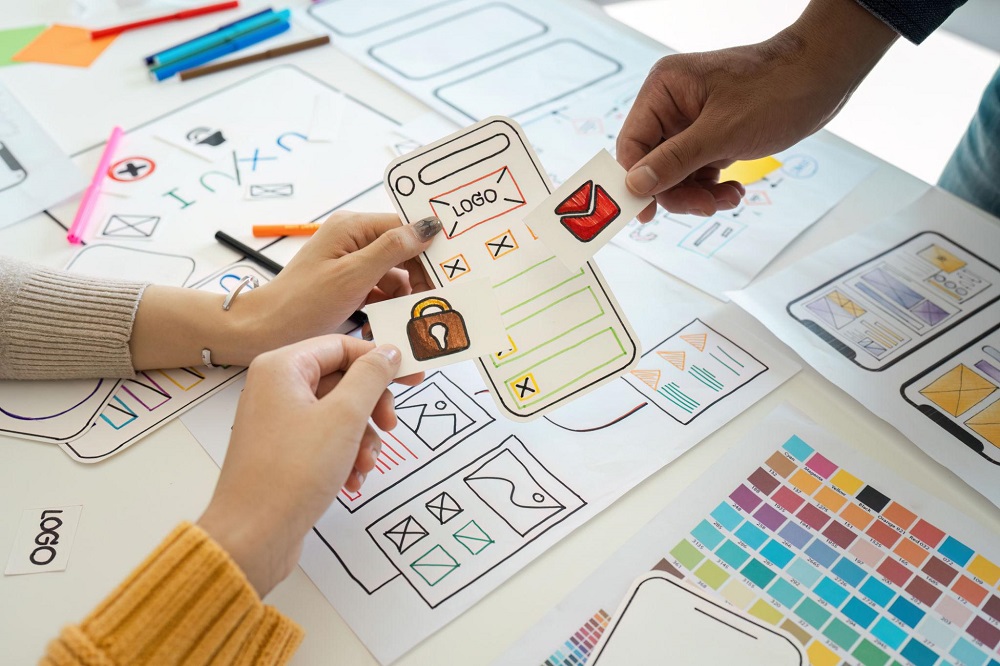
Wireframing and Prototyping
Wireframes define structure without distraction from visual styling. Prototypes simulate user interaction before development begins.
These tools help validate ideas early.
Visual Design Execution
Design teams finalize
- typography systems
- layout grids
- color palettes
- iconography
- interaction states
Consistency improves recognition and usability.
Development Implementation
Developers convert approved designs into functioning systems using structured coding practices.
Reusable components improve scalability.
Testing and Quality Assurance
Testing ensures
- performance stability
- interface responsiveness
- compatibility across devices
- security integrity
Testing reduces long term maintenance costs.
Deployment and Maintenance
After release, teams monitor
- performance metrics
- user feedback
- error reports
- feature requests
Continuous improvement keeps products competitive.
Essential Tools Used in Modern Design and Development
Professionals rely on specialized tools that improve collaboration and productivity.
Design Tools
Commonly used tools include
- Figma for collaborative interface design
- Adobe XD for rapid prototyping
- Sketch for component based layouts
These tools support real time iteration.
Development Tools
Development teams typically rely on
- Version control platforms
- Code editors
- Package managers
- Testing frameworks
These systems ensure stable releases and organized workflows.
Collaboration Platforms
Cross team communication improves delivery speed. Teams often use
- documentation platforms
- task tracking systems
- sprint planning boards
- shared design libraries
Collaboration reduces misunderstandings between designers and developers.
Importance of Collaboration Between Designers and Developers
Strong collaboration produces better digital products.
Benefits include
- fewer implementation errors
- faster development cycles
- consistent interface behavior
- improved accessibility compliance
- stronger performance optimization
When both teams align early, projects move smoothly from concept to release.
Best Practices for Effective Design and Development
Organizations that follow structured practices deliver more reliable products.
Important strategies include
- adopting user centered workflows
- maintaining consistent component libraries
- implementing responsive design principles
- conducting usability testing early
- documenting technical architecture clearly
- using version control throughout development
These practices improve efficiency and reduce rework.
Future Trends in Design and Development
Digital product creation continues to evolve rapidly.
Emerging directions include
- artificial intelligence assisted interface generation
- component driven architecture systems
- voice enabled user interactions
- accessibility first development strategies
- cloud native deployment workflows
Teams that adapt early remain competitive in changing markets.
Frequently Asked Questions
What is the difference between product design and interface design
Product design focuses on solving user problems across the entire experience, while interface design focuses specifically on layout and visual interaction elements.
How does responsive design improve user engagement
Responsive design ensures that content adjusts correctly across devices, improving readability and navigation efficiency.
Why is version control important in development projects
Version control tracks code changes, prevents conflicts between team members, and allows safe rollback when errors occur.
What role does usability testing play before launch
Usability testing identifies navigation problems and workflow confusion before deployment, reducing support issues after release.
How do design systems improve project consistency
Design systems provide reusable components and guidelines that maintain visual alignment across multiple products.
Why is accessibility important in digital development
Accessibility ensures that applications remain usable for individuals with different abilities and supports compliance with international standards.
What skills are essential for beginners entering design and development
Beginners benefit from learning layout fundamentals, interaction principles, structured coding practices, and collaboration workflows early in their training.