Climate change is one of the most urgent global challenges of the twenty-first century. Rising temperatures, extreme weather events, melting glaciers, and biodiversity loss are reshaping ecosystems and economies alike. While the causes of climate change are largely tied to human activity, technology is emerging as one of the most powerful tools available to reduce emissions, restore balance to natural systems, and create a more sustainable future.
From renewable energy systems to artificial intelligence-driven climate modeling, technological innovation is helping societies adapt to environmental changes while reducing their carbon footprint.
Renewable Energy Technologies Transforming Power Generation
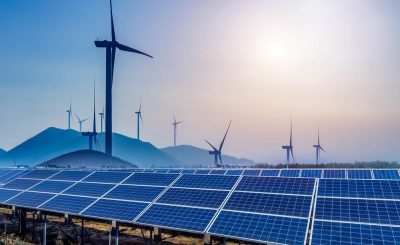
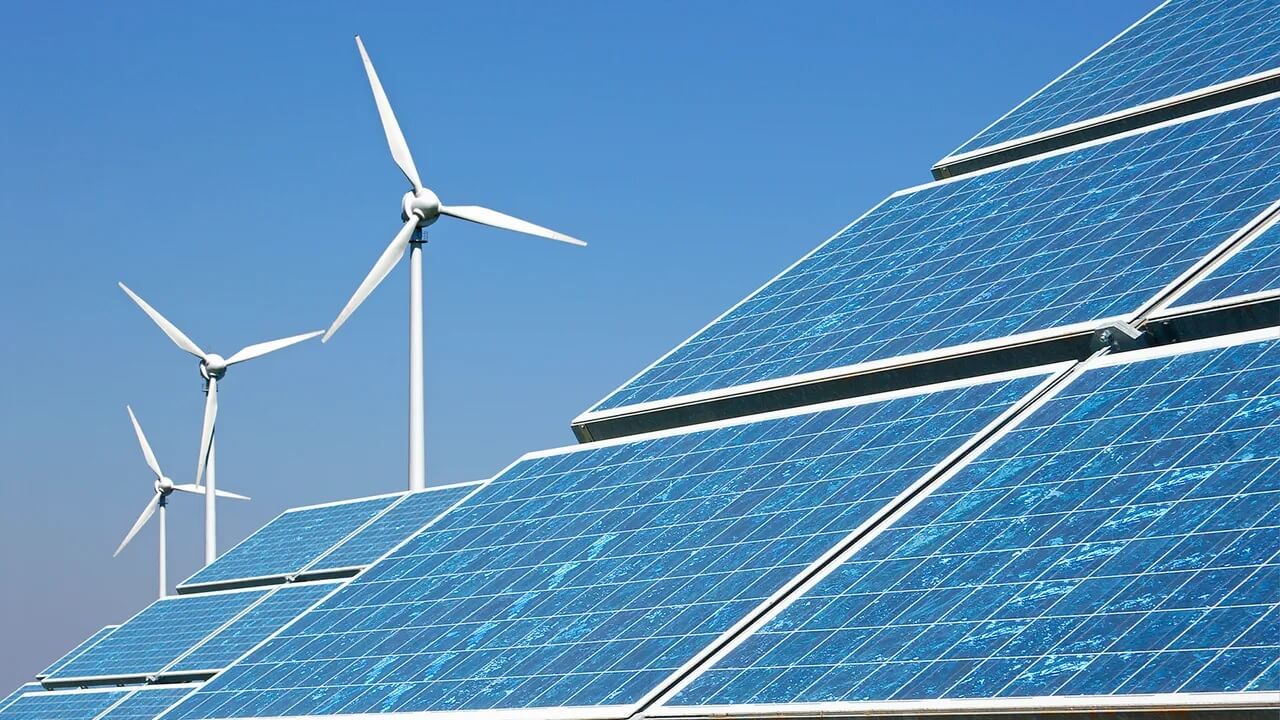
The transition from fossil fuels to renewable energy sources represents one of the most important technological responses to climate change. Renewable energy technologies generate electricity without releasing greenhouse gases into the atmosphere.
Key renewable energy technologies include:
- Solar energy systems that convert sunlight into electricity using photovoltaic panels
- Wind turbines that generate power from air movement
- Hydropower plants that harness flowing water
- Geothermal systems that utilize heat from beneath the Earth’s surface
Advances in battery storage technologies have made renewable energy more reliable by allowing excess electricity to be stored and used later. As costs continue to fall, renewable energy is becoming increasingly accessible worldwide.
Smart Grids and Energy Efficiency Improvements
Energy efficiency plays a major role in reducing carbon emissions. Smart grid technology allows electricity providers to monitor energy demand in real time and distribute power more efficiently.
Examples of energy efficiency technologies include:
- Smart meters that help households track electricity usage
- Automated lighting systems that reduce unnecessary consumption
- Energy-efficient appliances that use less power
- Building insulation technologies that reduce heating and cooling needs
These improvements reduce waste while lowering operational costs for consumers and businesses.
Carbon Capture and Storage Technologies
Carbon capture and storage technology helps remove carbon dioxide from industrial emissions before it enters the atmosphere. The captured carbon can be stored underground or reused in industrial applications.
This technology is especially important for sectors where emissions are difficult to eliminate, such as cement production and heavy manufacturing.
Direct air capture systems represent another promising development. These systems remove carbon dioxide directly from the atmosphere and store it safely underground.
Artificial Intelligence Supporting Climate Research
Artificial intelligence is improving the accuracy of climate predictions and helping policymakers make better decisions. Machine learning algorithms analyze large datasets from satellites, sensors, and climate monitoring stations to detect patterns and forecast environmental changes.
Applications of artificial intelligence in climate action include:
- Predicting extreme weather events
- Monitoring deforestation activities
- Optimizing renewable energy distribution
- Improving disaster response planning
By improving forecasting accuracy, artificial intelligence enables communities to prepare for climate-related risks more effectively.
Sustainable Transportation Innovation
Transportation contributes significantly to global greenhouse gas emissions. Technological innovation is transforming how people and goods move across cities and countries.
Major transportation solutions include:
- Electric vehicles that eliminate tailpipe emissions
- Hydrogen-powered transport systems for long-distance travel
- High-speed rail networks that reduce reliance on air travel
- Smart traffic management systems that reduce congestion
As charging infrastructure expands, electric mobility is becoming a practical alternative for everyday transportation needs.
Precision Agriculture and Climate-Smart Farming
Agriculture both contributes to and is affected by climate change. Climate-smart farming technologies help reduce emissions while improving crop productivity.
Examples include:
- Sensor-based irrigation systems that reduce water usage
- Drones that monitor crop health
- Satellite imaging for soil condition analysis
- Data-driven fertilizer application systems
These innovations help farmers increase efficiency while protecting natural resources.
Climate Monitoring Through Satellite Technology
Satellite technology provides essential information about environmental changes occurring across the planet. Scientists use satellite data to monitor glacier melting, sea level rise, forest cover changes, and atmospheric pollution levels.
This information supports international climate agreements and enables governments to develop targeted environmental policies.
Green Building Technologies and Urban Sustainability
Urban areas produce a large portion of global emissions. Green building technologies are transforming how cities are designed and operated.
Important developments include:
- Passive cooling building designs
- Energy-efficient construction materials
- Solar-integrated architecture
- Urban green infrastructure such as rooftop gardens
These innovations help reduce energy consumption while improving air quality and urban living conditions.
Challenges in Implementing Climate Technologies
Despite their benefits, climate technologies face several barriers that must be addressed.
Common challenges include:
- High initial investment costs
- Limited infrastructure in developing regions
- Policy and regulatory gaps
- Public awareness limitations
Addressing these issues requires collaboration between governments, industries, and communities.
The Future of Technology in Climate Action
Emerging technologies such as green hydrogen fuel, advanced battery storage systems, and climate-resilient infrastructure are expected to play a major role in future climate strategies.
Continued investment in research and innovation will help accelerate the transition toward a low-carbon global economy.
Technology alone cannot solve climate change, but when combined with responsible policy decisions and behavioral change, it becomes a powerful driver of environmental progress.
Frequently Asked Questions
1. How does technology help reduce greenhouse gas emissions?
Technology reduces emissions by enabling renewable energy production, improving energy efficiency, supporting electric transportation, and capturing carbon dioxide from industrial processes.
2. What role do individuals play in using climate-friendly technology?
Individuals contribute by adopting energy-efficient appliances, using public transport or electric vehicles, installing solar panels, and reducing energy consumption at home.
3. Are renewable energy technologies affordable for developing countries?
Costs have decreased significantly in recent years. With proper investment support and infrastructure planning, renewable technologies are becoming increasingly accessible in developing regions.
4. Can artificial intelligence accurately predict climate disasters?
Artificial intelligence improves prediction accuracy by analyzing large environmental datasets, helping governments and communities prepare earlier for extreme weather events.
5. What industries benefit most from carbon capture technologies?
Industries such as cement manufacturing, steel production, and chemical processing benefit significantly because they produce emissions that are difficult to eliminate through other methods.
6. How does smart agriculture help farmers adapt to climate change?
Smart agriculture improves water efficiency, enhances soil monitoring, and supports better crop planning using data-driven tools.
7. What future technologies are expected to support climate solutions further?
Emerging innovations include green hydrogen fuel systems, long-duration battery storage, climate-resilient infrastructure, and advanced satellite monitoring systems.