Introduction
The IT service industry has experienced significant changes over the past decade, driven by rapid advancements in technology. Businesses today expect IT service providers to deliver more than technical support. They look for strategic partners who can improve efficiency, strengthen cybersecurity, optimize operations, and help them adopt innovative technologies.
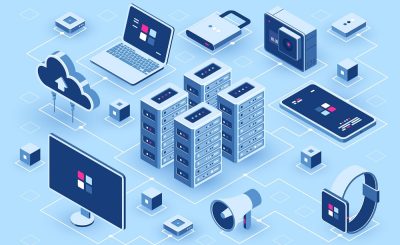
Emerging technologies such as artificial intelligence (AI), cloud computing, automation, edge computing, the Internet of Things (IoT), and advanced cybersecurity solutions are transforming the way IT services are delivered. These innovations enable IT providers to detect problems faster, improve system performance, reduce operational costs, and provide more proactive support.
Organizations that understand and adopt these technologies are better positioned to remain competitive in an increasingly digital business environment.
Artificial Intelligence in IT Services
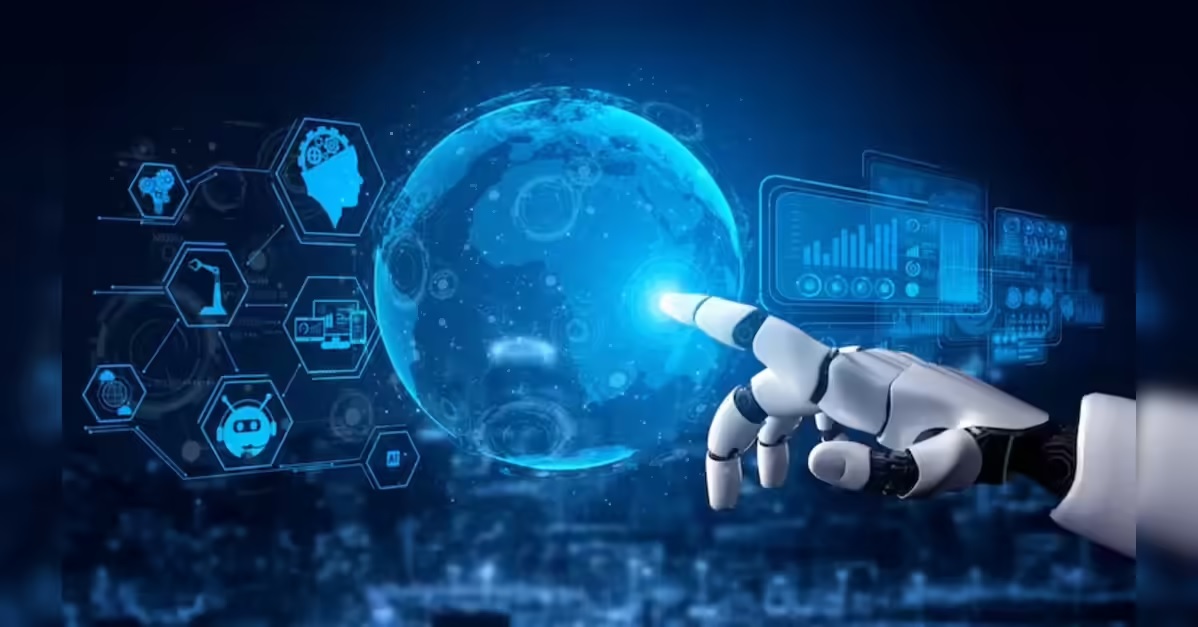
Artificial intelligence has become one of the most influential technologies in the IT service industry. AI-powered systems can analyze large amounts of data, identify unusual system behavior, predict equipment failures, and automate repetitive support tasks.
Instead of waiting for users to report technical issues, AI continuously monitors business systems and alerts IT teams when potential problems are detected.
AI also improves customer support through intelligent chatbots and virtual assistants that answer common technical questions and create support requests automatically.
By combining automation with human expertise, businesses receive faster and more efficient IT support.
Cloud Computing Continues to Expand
Cloud computing has transformed how organizations store data, deploy applications, and manage technology infrastructure. Instead of investing heavily in physical hardware, businesses increasingly rely on cloud platforms for flexibility and scalability.
Professional IT service providers help organizations migrate to the cloud, optimize cloud environments, manage security, and monitor performance.
Cloud technology also supports remote work, business continuity, and global collaboration, making it one of the most important innovations in modern IT services.
Automation Improves Efficiency
Automation allows IT service providers to complete repetitive tasks quickly and accurately without requiring constant manual intervention.
Routine activities such as software updates, system monitoring, backup scheduling, user account management, and security scans can now be automated.
Benefits of IT automation include:
- Faster completion of routine maintenance tasks.
- Reduced human errors and operational costs.
- More time for IT professionals to focus on strategic initiatives.
Automation improves productivity while ensuring consistent service quality.
Edge Computing
As businesses generate larger volumes of data, processing information closer to where it is created has become increasingly important. Edge computing reduces the need to send all data to centralized cloud servers by processing information locally.
This approach improves application performance, reduces network latency, and supports real-time decision-making.
Professional IT service providers help organizations integrate edge computing into their infrastructure while maintaining security and reliability.
Edge computing is particularly valuable for industries that rely on connected devices and real-time analytics.
Internet of Things (IoT)
The Internet of Things connects physical devices such as sensors, cameras, machinery, vehicles, and smart equipment to business networks.
As more organizations adopt IoT technology, managing these connected devices becomes an important responsibility for IT service providers.
Professional IT services help businesses deploy IoT devices securely, monitor performance, manage software updates, and protect connected systems from cyber threats.
Proper IoT management improves operational efficiency while reducing security risks.
Advanced Cybersecurity Technologies
Cybersecurity continues to evolve as cybercriminals develop increasingly sophisticated attack methods.
Modern IT service providers use advanced technologies such as behavioral analytics, endpoint detection, threat intelligence, zero-trust security models, and automated incident response systems to strengthen business protection.
Continuous monitoring and AI-assisted threat detection enable organizations to identify attacks earlier and respond more effectively.
Strong cybersecurity remains one of the highest priorities for businesses adopting new technologies.
Predictive Analytics
Predictive analytics uses historical and real-time data to forecast future events and identify potential technology issues before they occur.
Professional IT service providers analyze system performance trends to predict hardware failures, storage limitations, network congestion, and application performance problems.
This proactive approach allows businesses to schedule maintenance before disruptions occur, reducing downtime and improving reliability.
Predictive analytics also supports better budgeting and long-term infrastructure planning.
Hybrid and Multi-Cloud Management
Many organizations now use multiple cloud providers while maintaining some on-premise infrastructure. Managing these hybrid environments requires specialized expertise.
Professional IT service providers monitor workloads across different platforms, optimize performance, strengthen security, and ensure seamless integration between cloud and on-premise systems.
Hybrid cloud strategies provide greater flexibility while reducing dependence on a single technology platform.
As businesses continue expanding, hybrid infrastructure will become increasingly common.
The Importance of Skilled IT Professionals
Although emerging technologies automate many routine processes, experienced IT professionals remain essential.
Technology experts evaluate business needs, design infrastructure, develop security strategies, manage complex implementations, and provide strategic guidance that automation alone cannot replace.
Successful organizations combine modern technology with skilled professionals to achieve the best possible outcomes.
Human expertise continues to play a critical role in solving complex technical challenges and supporting digital transformation.
Preparing for the Future
Businesses should actively prepare for emerging technologies by investing in scalable infrastructure, strengthening cybersecurity, training employees, and partnering with experienced IT service providers.
Organizations that remain informed about technological advancements can adopt innovations more effectively while minimizing operational risks.
Continuous improvement and strategic planning will help businesses remain competitive as the IT service industry continues evolving.
Conclusion
Emerging technologies are transforming the IT service industry by improving efficiency, strengthening security, enabling automation, and supporting smarter decision-making. Artificial intelligence, cloud computing, IoT, edge computing, predictive analytics, and advanced cybersecurity solutions are changing how businesses manage technology and deliver services.
Professional IT service providers play a vital role in helping organizations adopt these innovations while maintaining secure, reliable, and scalable technology environments. Businesses that embrace emerging technologies with the support of experienced IT professionals will be better equipped to drive innovation, improve customer experiences, and achieve long-term success in the digital era.