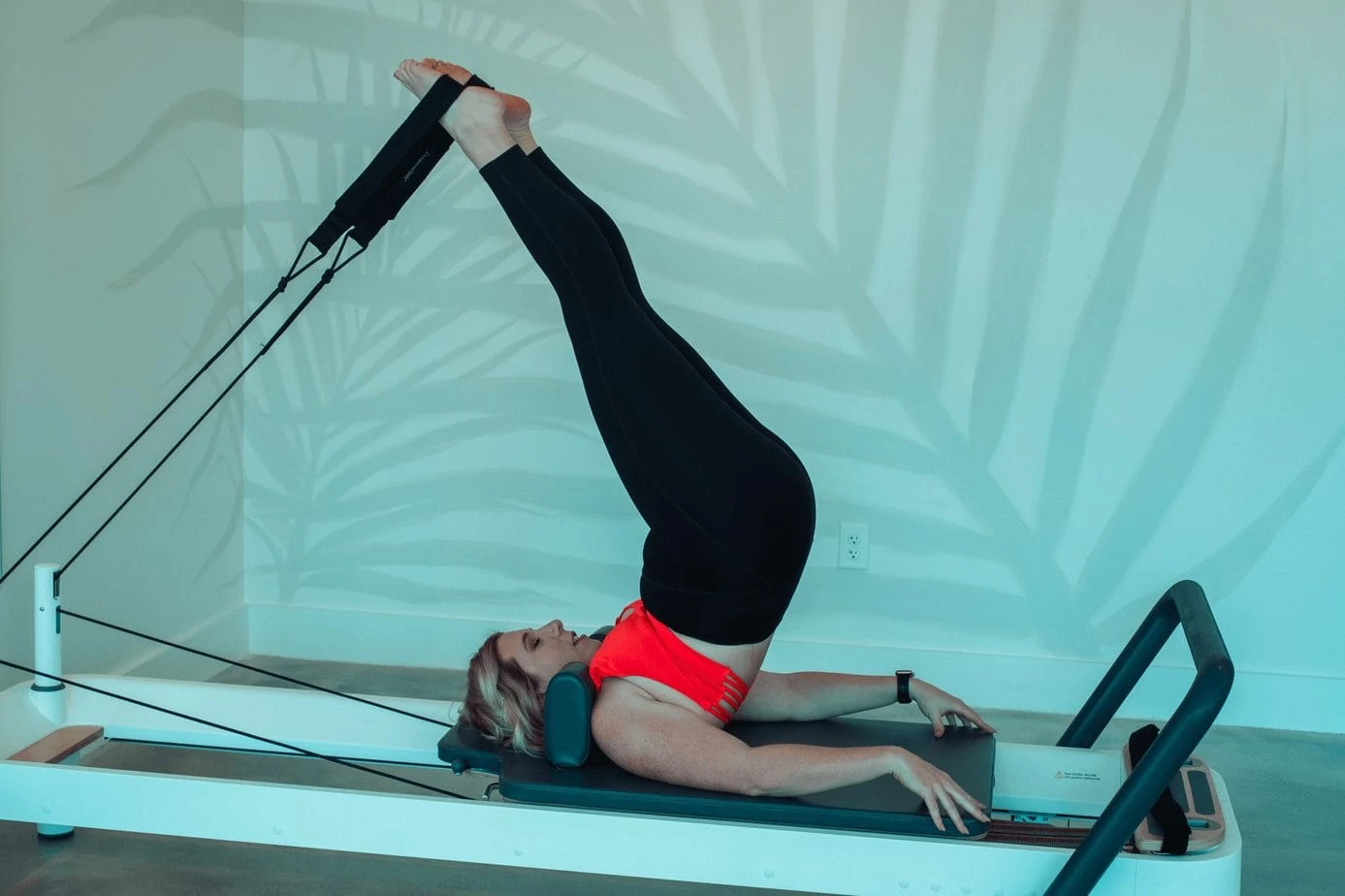
Technology and wellness are no longer separate worlds. In recent years, fitness enthusiasts have witnessed a growing fusion of innovation and movement — from smart yoga mats to AI-driven posture correction. Among these advancements, the pilates reformer has undergone a technological transformation that is revolutionising how people train, measure progress, and experience Pilates.
How Technology is Redefining Reformer Pilates
Traditional Reformer Pilates focuses on alignment, control, and precision. While these principles remain unchanged, smart reformer machines introduce a digital layer that makes practice more interactive and measurable. With sensors, motion tracking, and Bluetooth connectivity, these devices bring data-driven insights into an otherwise intuitive discipline.
Instead of relying solely on instructor feedback, practitioners can now visualise muscle engagement, monitor form, and track progress in real time. This integration is particularly beneficial for individuals who value measurable results or want to enhance body awareness with precise feedback.
Features of Smart Reformer Machines
Smart reformers combine mechanical design with cutting-edge technology. These features elevate the Pilates experience by merging accuracy with accessibility.
1. Real-Time Feedback Sensors
Built-in sensors detect alignment deviations and muscle activation levels, sending instant feedback to connected screens or apps. This helps users adjust posture during the workout, reducing injury risk and improving efficiency.
2. Digital Resistance Control
Unlike traditional springs, some smart reformers use electromagnetic or hydraulic resistance. This allows precise resistance adjustments at the touch of a button, making transitions smoother and more consistent across sessions.
3. Data Synchronisation and Progress Tracking
Modern reformers sync with mobile apps or wearables, recording workout duration, intensity, and range of motion. Over time, these analytics help users identify areas for improvement and maintain long-term motivation.
4. Virtual Coaching Integration
AI-driven virtual instructors or app-based coaches provide guided routines with verbal cues, ensuring proper form even in home or remote settings. This accessibility allows practitioners to continue training even when they can’t attend studio sessions.
5. Interactive Displays
Some premium reformers feature embedded screens displaying real-time metrics like heart rate, tempo, and muscle balance. Visualising progress makes training more engaging and keeps practitioners consistent.
The Shift Towards Digital Pilates Studios
Singapore’s fitness industry is evolving rapidly, and digital integration is now a key differentiator. Hybrid studios combine in-person classes with virtual sessions using smart reformers, allowing members to access the same level of instruction remotely.
This flexibility caters to busy professionals who prefer tracking their progress from home or travellers who continue sessions abroad. The ability to review recorded performance data bridges the gap between studio and self-practice, creating continuity in training.
Benefits of Smart Reformer Pilates
The technological layer doesn’t replace the essence of Pilates; it enhances it. Both beginners and advanced users benefit from improved understanding, accountability, and accessibility.
Measurable Progress
Tracking flexibility, balance, and core strength provides a clear picture of progress, motivating continued practice. Seeing tangible improvements reinforces commitment and satisfaction.
Enhanced Safety and Precision
Real-time feedback reduces incorrect form, one of the main causes of strain or injury. For rehabilitation clients, this precision ensures a safer recovery process.
Accessibility for Remote Learners
Smart reformers make high-quality Pilates training available at home, supported by virtual instructors and app guidance. It opens the door to personalised training without compromising on quality.
Improved Engagement
Gamified features like progress badges or challenge levels encourage consistency. The interactive nature of smart reformers turns repetitive routines into rewarding sessions.
The Role of AI and Motion Analytics
Artificial intelligence has found its place in wellness technology. Through motion analytics, AI can assess symmetry, posture, and joint range more accurately than the human eye. It identifies compensatory patterns such as uneven hip rotation or limited shoulder mobility, then provides corrective cues.
This personalised insight enhances awareness and minimises the risk of long-term imbalance. As a result, practitioners improve not just performance but also the underlying movement quality.
Smart Reformer Pilates for Home Users
The home fitness market has exploded, especially after the pandemic accelerated demand for remote training solutions. Compact smart reformers now make it possible to enjoy studio-quality workouts from the comfort of small apartments or home gyms.
What to Consider When Investing in a Smart Reformer
-
Space and portability: Choose foldable or wall-mounted options for compact living areas.
-
Connectivity: Look for Bluetooth or Wi-Fi-enabled models that sync with popular fitness platforms.
-
App ecosystem: Ensure compatibility with tracking or coaching apps that suit your fitness goals.
-
Maintenance: Opt for machines with easy calibration and long-term durability.
While smart reformers are an investment, they provide years of use and unmatched personalisation.
Integration with Wearable Fitness Tech
The synergy between smart reformers and wearables like smartwatches adds another dimension to Pilates. Heart rate, oxygen levels, and calorie expenditure are tracked alongside core stability and flexibility metrics.
These combined data points give a holistic picture of progress. For example, an athlete can observe how heart rate variability improves with consistent reformer sessions, or how flexibility gains correspond with reduced lower back discomfort.
Sustainability and Long-Term Data Use
Technology also enables sustainable improvement through longitudinal data tracking. Over months or years, users can review patterns such as improved balance or reduced asymmetry. This data-driven approach brings Pilates closer to performance science, making it both an art and a measurable practice.
For instructors, stored session data supports customised training plans. It ensures progress is not just felt but proven, building trust and long-term loyalty among clients.
How Studios are Embracing Smart Reformer Technology
Forward-thinking studios in Singapore are adopting digital platforms to enhance the client experience. Smart reformer systems enable instructors to monitor multiple clients’ performance in real time through central dashboards, providing instant feedback during classes.
Clients benefit from accuracy and consistency, while studios maintain high-quality instruction standards across sessions. The integration also allows post-session reports, motivating members to return and track milestones over time.
Studios like Yoga Edition continue to lead in modern Pilates innovation by combining traditional discipline with digital enhancements. Their approach ensures every session maintains the mindful essence of Pilates while embracing precision and progress tracking.
The Future of Smart Pilates
The evolution of Reformer Pilates into the digital age marks a major shift in how wellness is understood. Instead of viewing fitness as an art of repetition, it becomes a field of exploration and measurable growth.
Soon, we may see reformers powered by AI-driven adaptive resistance that adjusts automatically based on fatigue levels. Virtual reality elements might simulate studio environments for home users, while biometric sensors could offer deeper insights into recovery and muscle activation.
This future aligns with Singapore’s growing focus on smart living and health technology integration. Smart Pilates not only strengthens the body but also trains the mind to embrace continuous self-improvement through data and mindfulness.
FAQ
Q. What makes a smart reformer different from a traditional one?
Smart reformers include sensors, app connectivity, and real-time feedback systems that measure posture, resistance, and progress, unlike manual models.
Q. Can beginners use smart reformer machines effectively?
Yes. The guided feedback helps beginners learn correct alignment faster, making the learning process safer and more intuitive.
Q. Are smart reformers suitable for studio or home use?
They are designed for both. Studios use them for group analytics, while compact models are ideal for home fitness spaces.
Q. How do smart reformers track body movement?
They use motion sensors and AI analytics to monitor movement accuracy, providing visual or verbal feedback through connected apps.
Q. Do smart reformers replace human instructors?
No. They complement instructors by providing data-based insights that improve coaching and enhance the practitioner’s self-awareness.